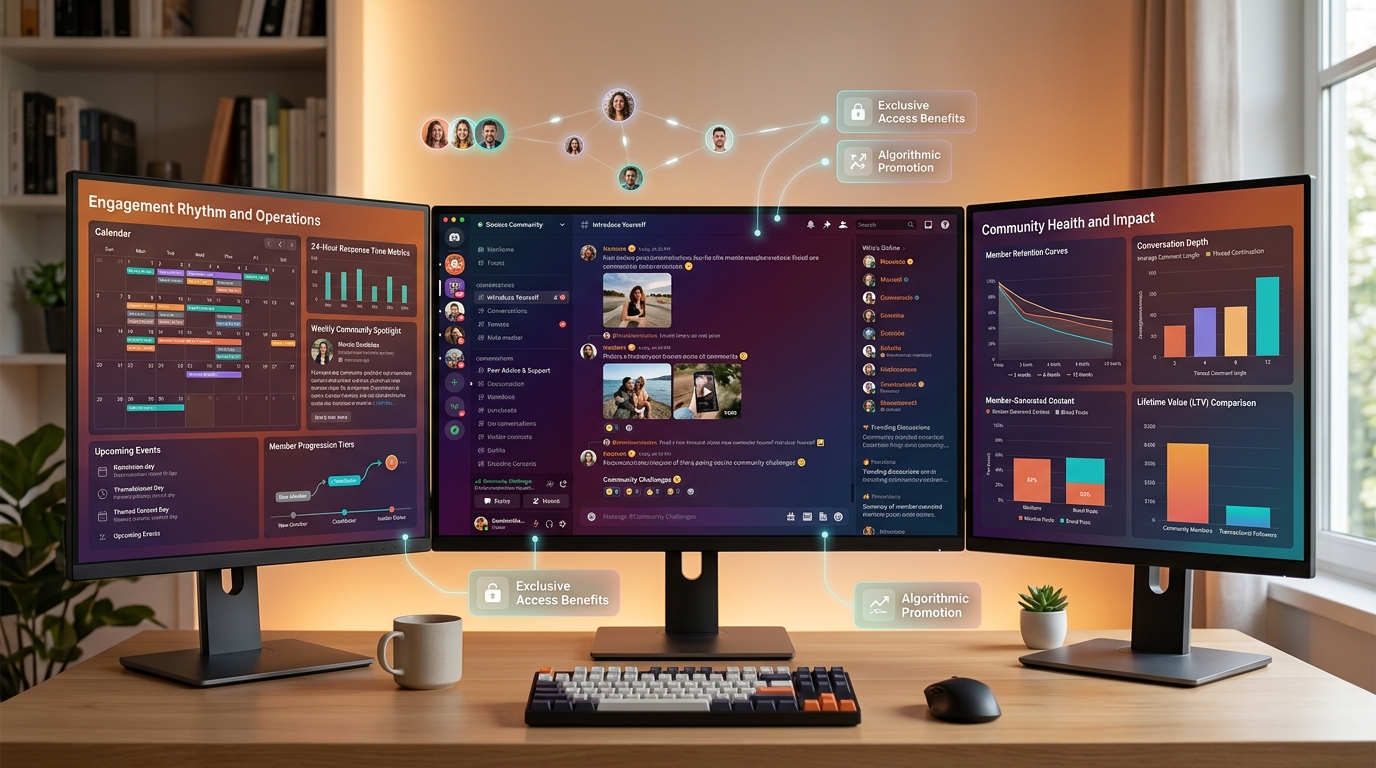
Community-driven brands see 73% of consumers willing to switch to competitors if they don’t receive responses on social media, while engaged communities deliver 3 to 5 times higher customer lifetime value than transactional followers. Yet 68.7% of the global population uses social media across an average of 6.75 platforms monthly, fragmenting attention and making meaningful connection harder than ever. Most brands still treat social as broadcast channel pushing promotional content to anonymous audiences rather than building genuine relationships with invested community members who advocate, support, and grow alongside the brand.
The shift isn’t temporary. It’s fundamental to how social platforms reward engagement in 2026. Algorithms prioritize content sparking saves, replies, shares, and direct messages over passive views or likes. Facebook comments increased 20% year over year as the platform rewards dialogue and community interaction. Instagram’s 72% of Gen Z using the platform for customer care proves social became primary relationship channel, not marketing megaphone. The brands achieving 4 to 6 times higher engagement through community strategies aren’t spending more on ads. They’re implementing systematic frameworks where members feel ownership through exclusive access and insider status, conversation happens through questions and genuine interaction rather than announcements, and value exchange builds loyalty that survives algorithm changes and platform shifts.
Success with social media community building in 2026 doesn’t require viral content or massive follower counts. It requires understanding how to create spaces where members interact with each other not just the brand, implementing consistent engagement rhythms that maintain presence without overwhelming audiences, and measuring community health through retention and participation rather than vanity metrics like follower growth. This guide shows you exactly how to build social media communities that drive sustainable long-term business growth.
Why Communities Outperform Broadcast Audiences
Passive follower counts mean nothing in 2026 when algorithms suppress reach and competition saturates feeds. Active communities create compounding advantages broadcast strategies cannot match.
Algorithmic Promotion Favors Genuine Engagement
Platform algorithms reward content generating meaningful interaction. Posts sparking conversations through comments, shares to friends privately, and saves for later reference receive exponentially more distribution than content earning passive scrolling. Facebook’s 20% comment increase and Instagram’s shift toward connection-driven engagement rather than public likes prove platforms prioritize depth over breadth. Communities naturally generate this high-value engagement through invested members responding to content and each other.
Community Members Become Brand Advocates
Engaged community members defend brands in comment sections, recommend products to friends, and create user-generated content without compensation. This organic advocacy proves more effective than paid influencer campaigns because it comes from genuine belief and experience. The 73% of consumers switching brands without social response shows community care directly impacts retention while advocates actively recruit new customers through authentic testimonials and referrals.
Shared Identity Creates Switching Costs
Communities develop shared language, inside jokes, and collective identity that transcends individual brand transactions. Members stay because leaving means losing connection to group they identify with, not just abandoning vendor relationship. This emotional investment creates retention advantages competitors cannot easily replicate through discounts or feature parity. The switch from public feeds to private communities proves people value belonging over broadcasting.
Creating Exclusive Spaces That Foster Belonging
Generic public profiles accessible to everyone fail to create belonging. Strategic exclusive access triggers identity formation and investment that defines true communities.
Launch Private Groups for Engaged Members
Facebook Groups, LinkedIn Communities, or Discord servers create spaces where members interact with each other not just consume brand content. Set entry requirements like purchase history, email signup, or application approval. This selective access signals value and filters for genuinely interested members versus casual followers. Private spaces enable vulnerable conversations, detailed help requests, and deeper relationships impossible in public comment sections where everyone watches.
Offer Tiered Access Based on Engagement
Create progression frameworks where active participation unlocks additional benefits. Basic members access standard content while contributors who answer questions, share experiences, or create content receive exclusive perks like early product access, special events, or direct founder communication. This gamification through meaningful contribution rather than arbitrary points builds investment as members work toward higher status through value creation.
Build Member-Only Content and Experiences
Host AMAs, live Q&A sessions, office hours, or product previews exclusively for community members. The scarcity and exclusivity of access creates perceived value while intimate format enables genuine connection impossible in public broadcasts. Patagonia’s Worn Wear community and Peloton’s rider groups succeed through exclusive experiences available only to invested members, creating clear membership benefits beyond product ownership.
Implementing Consistent Engagement Rhythms
Sporadic participation kills community momentum. Regular predictable presence combined with responsive interaction maintains engagement while building reliable connection members depend on.
Establish Regular Content Schedules
Post at consistent times on consistent days so members know when to expect new content. This trains behavior around your presence much like TV show schedules create appointment viewing. Weekly AMAs every Tuesday at 2pm, Friday community spotlights, or monthly challenges create rhythms members anticipate and plan around. The consistency matters more than frequency as reliable weekly presence outperforms sporadic daily posting.
Respond to Every Comment Within 24 Hours
Community building requires actual engagement not just content publishing. Respond to comments, answer questions, and acknowledge contributions within 24 hours maximum. This responsiveness proves members matter individually, not just as anonymous audience metrics. The 72% of Gen Z using Instagram for customer care expect rapid response treating social as primary communication channel, making slow or absent replies actively harmful to community perception.
Spotlight Member Contributions Systematically
Feature member content, success stories, or helpful comments in regular spotlight posts or stories. This recognition rewards participation while showing prospective contributors their efforts will be acknowledged. User-generated content campaigns succeed when brands actually use and celebrate submissions rather than collecting them invisibly. The recognition creates incentive loops where members contribute hoping for spotlight, driving continuous content generation.
Facilitating Member-to-Member Interaction
True communities exist when members engage each other independent of brand presence. Strategic facilitation creates these peer connections that sustain communities long-term.
Ask Questions That Spark Peer Discussion
Post questions where members respond to each other not just the brand. “What’s your biggest challenge with X?” generates sharing where members offer advice and compare experiences. This peer learning creates value from community itself rather than just brand expertise. The shift from “What do you think of our product?” to “How do you use this in your workflow?” changes dynamic from brand-centric to community-centric conversation.
Create Challenges Encouraging Participation
Launch 30-day challenges, photo contests, or transformation programs where members document progress and support each other. Fitness communities excel at this through workout challenges where members post results, encourage strugglers, and celebrate victories together. The shared experience builds bonds between participants while generating substantial user content showcasing product value through authentic usage.
Connect Members With Similar Interests or Needs
Facilitate introductions between members facing similar challenges or sharing niche interests. “Sarah is also in healthcare struggling with X, you two should connect” creates valuable relationships while demonstrating community utility beyond brand interaction. This matchmaking requires understanding individual members but pays dividends through network effects as connected members become more invested in community providing valuable relationships.
Measuring Community Health Metrics
Follower counts and post likes miss what actually indicates thriving community. Strategic metrics reveal whether members stay, participate, and derive genuine value.
Track Member Retention Over Time
Calculate what percentage of members remain active 3, 6, and 12 months after joining. High retention indicates sustainable community providing ongoing value while declining participation signals failing engagement or value proposition. This cohort analysis reveals health trends vanity metrics mask. A community growing followers 20% monthly but retaining only 10% of members has fundamental problems growth numbers hide.
Monitor Conversation Depth and Quality
Measure comment length, response rates between members, and thread depth where conversations continue beyond single exchange. Shallow engagement with one-word comments and no follow-up indicates broadcast audience not community. Deep multi-comment threads where members debate, advise, and question each other prove genuine connection. Quality matters more than quantity as 10 invested members generating 50-comment discussions provide more value than 1,000 passive likers.
Calculate Member-Generated Content Percentage
Track what portion of community content comes from members versus brand. Communities where 50%+ of content originates from members demonstrate true participation and shared ownership. This user-generated ratio indicates whether community can sustain itself or depends entirely on brand effort. Self-sustaining communities scale efficiently while brand-dependent ones require linear effort increases as membership grows.
Handling Conflict and Negative Feedback Constructively
Communities inevitably face disagreements, complaints, and negative situations. Strategic conflict management strengthens rather than undermines community cohesion when executed properly.
Address Issues Publicly and Transparently
When problems arise, respond publicly acknowledging the issue and explaining resolution steps. This transparency builds trust while showing prospective complainers their concerns will be addressed seriously. Private-only responses create perception of hiding problems while public handling demonstrates accountability. The 21% of Reddit users expecting brands to show up mainly for customer support and 14% not wanting brands there at all prove transparency determines whether presence feels helpful or intrusive.
Establish Clear Community Guidelines
Define acceptable behavior, conversation topics, and consequences for violations explicitly. Enforcing guidelines consistently maintains safe spaces where constructive discussion happens without toxicity or spam destroying value. The standards prevent both over-moderation silencing legitimate criticism and under-moderation allowing abuse driving away valuable members. Clear boundaries set expectations enabling healthy debate within defined parameters.
Turn Complaints Into Improvement Opportunities
Public complaints often surface issues affecting multiple members silently. Addressing them improves product or experience for everyone while demonstrating responsiveness. Thank complainers for surfacing problems, explain fixes implemented, and follow up confirming resolution. This visible improvement loop converts critics into advocates seeing their feedback valued and acted upon rather than dismissed or ignored.
Start Building Your Social Community
Social media community building in 2026 rewards genuine relationship investment over promotional broadcasting. The brands achieving 3 to 5 times higher lifetime value and 73% consumer loyalty build systematic community frameworks rather than chasing viral moments.
Identify your community platform immediately based on where your audience naturally gathers. B2B brands succeed on LinkedIn Communities while fitness brands thrive in Facebook Groups. Gaming communities flourish in Discord while visual creators build on Instagram. Choose platforms where your specific audience already spends time rather than chasing trendy new networks. The 6.75 platforms average user juggles means presence everywhere guarantees excellence nowhere.
Create your exclusive member space this week. Launch private group, Discord server, or member-only section with clear entry requirements. Start with 50 to 100 genuinely interested members rather than opening to thousands of passive followers. Small engaged communities outperform large inactive audiences every time. The intimacy of smaller groups enables personal connection impossible at scale.
Establish consistent engagement rhythm starting today. Pick specific days and times for regular content, commit to 24-hour response windows for all comments and messages, and schedule weekly community spotlights featuring member contributions. Document this schedule publicly so members know when to expect interaction. Consistency builds trust while sporadic presence signals community isn’t a priority.
Implement community health tracking to measure retention rates, conversation depth, and the percentage of member-generated content. Monitor these metrics and track monthly trends over time. Communities showing declining retention or increasing brand-dependency need intervention while growing peer interaction and UGC indicate sustainable health. Use data to guide strategic adjustments rather than gut feelings about community strength.
The brands dominating social media in 2027 started building genuine communities today. They recognized that algorithmic reality favors depth over breadth and implemented frameworks where members interact with each other, exclusive access creates belonging, and consistent engagement builds trust. Start building your community.


Leave a Reply